How to Shade With Watercolors
Before teaching watercolor shading, I shucked scallops on a 100ft boat 12 hours a day. Those chaotic nights taught me everything about steady hands and working with unpredictable conditions - skills that translate perfectly to mastering wet-on-wet and wet-on-dry watercolor techniques.
Before we dive into watercolor shading techniques, here's something that might surprise you - did you know I used to commercial fish back in the day? Picture this: me on a 100ft scallop boat with a bunch of roughnecks, being the only guy with a full set of teeth, shucking scallops at 2am in the middle of nowhere. Man, how things have changed... from handling rough seas to handling smooth watercolor washes!
But here's the thing - those nights on that rocking boat actually taught me everything I know about steady hands and working with unpredictable conditions. When you're trying to maintain control while everything around you is moving, you learn to work WITH the chaos instead of fighting it.
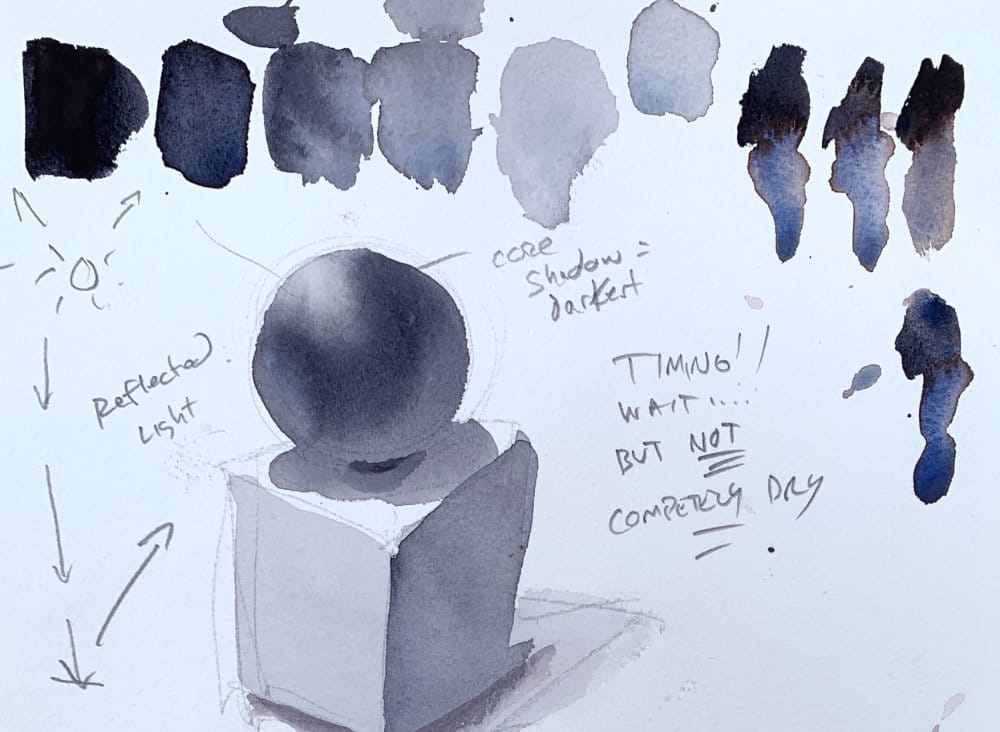
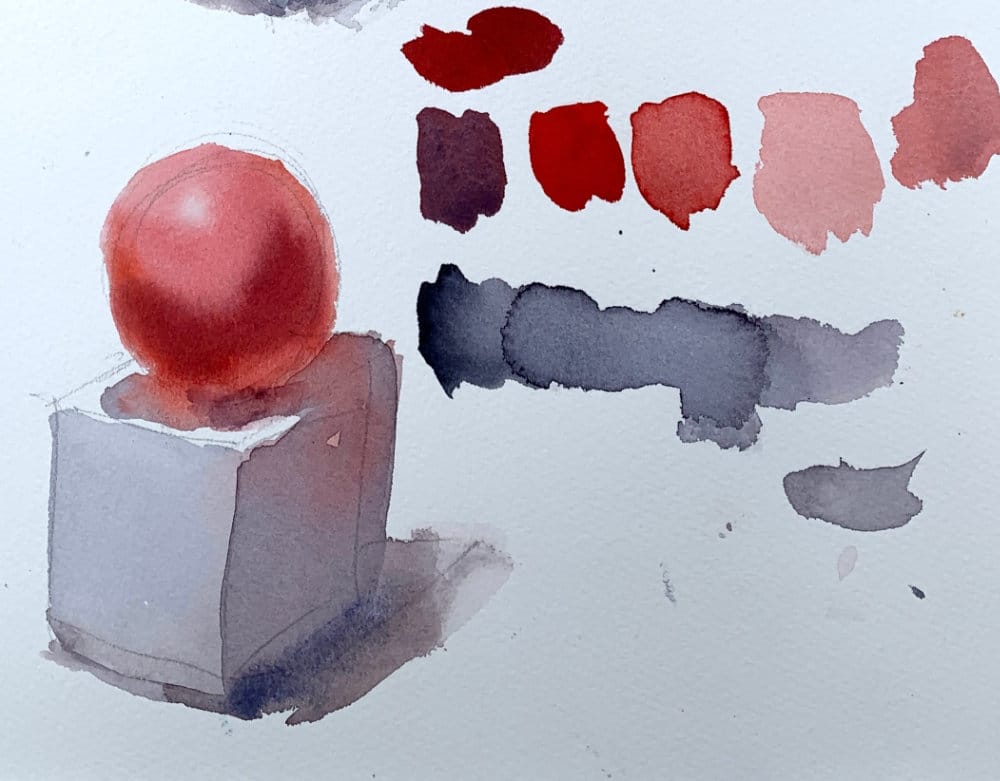
Key Takeaways
After years of working in unpredictable conditions - whether on a scallop boat or at an easel - I've learned these essential principles:
Patience Pays Off: Just like waiting for the right conditions to haul nets, waiting for your watercolor layers to dry completely prevents muddy, overworked paintings.
Work With, Not Against: Fighting the medium never works, whether it's ocean currents or watercolor flow. Learn to anticipate and guide rather than control.
Observation is Everything: Those long nights on the water taught me to really see light and shadow relationships. The same careful observation applies to capturing form in your paintings.
Less is More: Minimal brush passes create cleaner results - both in efficient boat work and watercolor technique.
Materials You’ll Need
Here are the materials I use all the time and have for decades. I only buy from Blick Art but feel free to shop where you prefer.
Recommended Watercolor Materials
-
Holbein Professional Watercolor Paints – 8 Essential Hues
Yellow Ochre, Cadmium Lemon Yellow, Ultramarine Blue, Cerulean Blue, Alizarin Crimson, Cadmium Red Light, Neutral Tint, Burnt Sienna -
Fabriano Artistico Watercolor Paper – 140lb Cold Press
Buy full sheets and cut into quarter sheets for best value -
Silver Jumbo Wash Brush
Great coverage, excellent quality for the price -
Princeton Neptune Point Rounds (No. 12 & 6)
Reliable and affordable detail & wash brushes -
Princeton Neptune Dagger (1/2")
Versatile size for lines, edges, and detail work -
Masterson Aqua Pro Palette
Durable, with deep wells for generous mixing space -
Gator Board
Lightweight, long-lasting painting support board -
Holbein White Gouache
Optional for highlights and fine details - Miscellaneous: plastic water containers, paper towels, masking tape
This post contains affiliate links. If you make a purchase through these links, I may earn a commission at no extra cost to you.